Mukesh Ambani's $110 Billion AI Bet: India's Play for AI Sovereignty
At the India AI Impact Summit, Reliance chairman Mukesh Ambani announced a $110 billion investment in AI infrastructure over seven years. Here's what India's largest private sector commitment to AI means for the global AI landscape.
India just made its biggest move yet in the global AI race.
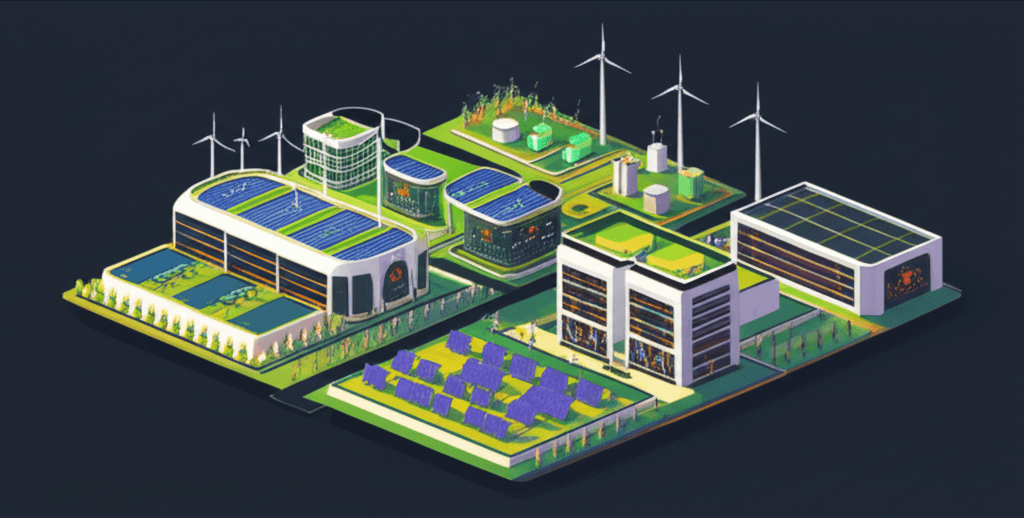
At the India AI Impact Summit in New Delhi, Reliance Industries chairman Mukesh Ambani announced a staggering $110 billion investment plan for AI infrastructure. The commitment spans seven years and includes green-energy-powered data centers, sovereign AI capabilities, and a homegrown AI ecosystem through Reliance and Jio.
This isn't incremental. It's a declaration that India intends to compete with the US and China in AI—not just consume their technology.
The $110 Billion Breakdown
Ambani's investment covers three major pillars:
1. Green-Energy Data Centers
The bulk of the investment goes toward hyperscale data centers powered entirely by renewable energy. India's energy costs and climate commitments make this both economically and politically strategic.
Why it matters: AI training requires massive compute. Without domestic data center capacity, India remains dependent on foreign cloud providers.
2. Sovereign AI Infrastructure
Reliance plans to build AI capabilities that keep sensitive data within India's borders. This addresses growing concerns about data sovereignty and national security.
The vision: Indian businesses and government agencies using AI systems where data never leaves Indian jurisdiction.
3. Jio AI Ecosystem
Jio, Reliance's telecom arm with 450+ million subscribers, becomes the distribution channel. Expect AI services bundled with mobile plans, reaching hundreds of millions of Indians who've never used advanced AI tools.
s.com/ai-agents-plus.firebasestorage.app/blog-images/ambani-india-ai-2026-inline.png)
Context: India's AI Moment
The announcement comes during a week of major AI activity in India:
India AI Impact Summit: New Delhi hosted OpenAI, Anthropic, Google, and major global AI players. The summit secured a Guinness World Record for gathering over 250,000 pledges for "Responsible AI" within 24 hours.
Qualcomm's $150M India AI Fund: The chipmaker announced a Strategic AI Venture Fund specifically for Indian AI startups.
Anthropic's Bengaluru Office: Anthropic opened its first Indian office, signaling that global AI leaders see India as a critical market.
Adani's $100B Commitment: Not to be outdone, the Adani Group announced plans to develop renewable-powered AI data centers by 2035.
Why India Is Making This Bet
Demographic Advantage
India has 1.4 billion people, a young population, and rapidly growing digital adoption. If AI becomes as foundational as mobile internet, controlling that infrastructure matters enormously.
The China Lesson
China's AI ecosystem developed behind regulatory walls. India is choosing a different path—building domestic capacity while remaining open to global players. But the underlying logic is similar: strategic industries require domestic capability.
Economic Multiplier
Ambani explicitly framed AI infrastructure as economic development. Data centers create jobs. Local AI development creates higher-value tech jobs. AI-powered services boost productivity across the economy.
What This Changes
For Global AI Companies
India is no longer just a market to sell into—it's becoming a competitive landscape. Companies wanting access to India's massive user base may need to partner with Reliance or build local infrastructure.
For Indian Startups
The infrastructure investment creates opportunities. Startups building on Indian AI infrastructure get access to domestic compute, potentially at favorable costs. The Jio distribution channel could accelerate adoption.
For Enterprise AI Adoption
Indian enterprises have lagged in AI adoption partly due to data sovereignty concerns. Domestic AI infrastructure addresses that objection directly.
The Skeptic's Questions
Can Reliance Execute? Jio's telecom rollout was remarkably successful, but AI infrastructure is a different challenge. Building world-class data centers and AI platforms requires talent and expertise Reliance will need to acquire or develop.
What About AI Models? Infrastructure is necessary but not sufficient. India will still need competitive AI models. So far, Indian companies haven't produced foundation models that rival OpenAI or Anthropic.
Regulatory Environment? India's regulatory approach to AI remains uncertain. Heavy-handed rules could slow the ecosystem Ambani is trying to build.
Regional Implications
India's move puts pressure on other emerging markets. Southeast Asia, the Middle East, and Africa are all watching. If India builds a successful sovereign AI ecosystem, it becomes a template—and potentially a competitor.
The US-China AI duopoly may be giving way to a more multipolar AI world.
What This Means For Your Business
-
If you're operating in India: Pay attention to Jio's AI service rollouts. Early adopters may get favorable terms and access.
-
If you're building AI products: Consider India as a deployment target, not just an outsourcing destination. The market is about to get much more interesting.
-
If you're watching global AI trends: Add India to your strategic radar alongside the US, China, and Europe. The next AI unicorns may come from Bengaluru, not just Silicon Valley.
Expanding Into Emerging Markets?
At AI Agents Plus, we're based in Nairobi and understand emerging market AI deployment. We help companies:
- Navigate regional AI landscapes across Africa, South Asia, and the Middle East
- Build AI solutions that work with local infrastructure and connectivity constraints
- Adapt AI strategies for diverse regulatory environments
The global AI map is being redrawn. Don't get left behind.
Planning international AI expansion? Let's talk →
About AI Agents Plus Editorial
AI automation expert and thought leader in business transformation through artificial intelligence.