Anthropic's Sonnet 4.6: AI Agents Just Got Scary Good at Using Your Computer
Anthropic's latest Claude Sonnet 4.6 model brings major improvements in computer use — navigating spreadsheets, filling forms, and controlling applications. For businesses building AI automation, this is a game-changer.
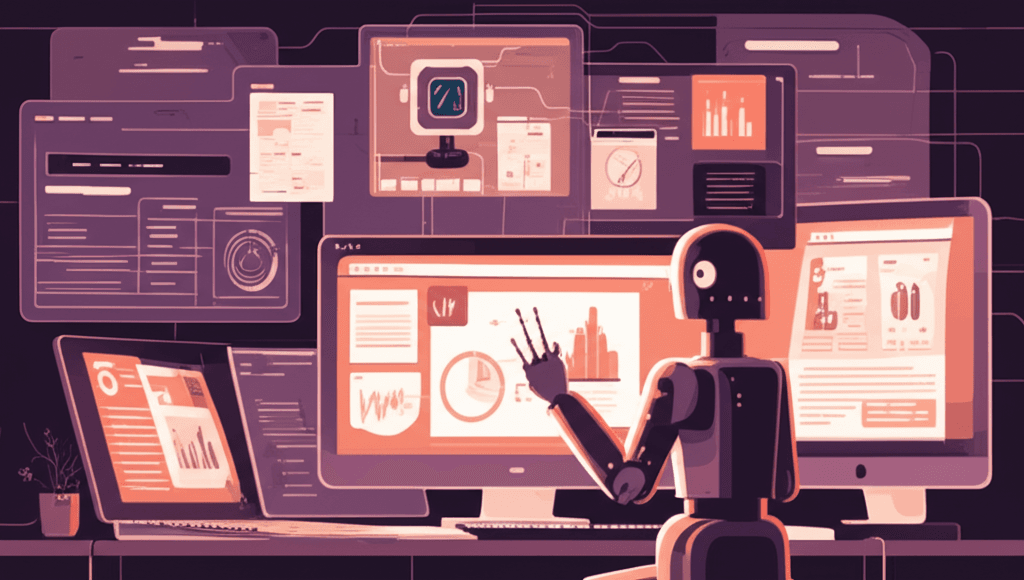
Anthropic dropped Claude Sonnet 4.6 this week, and while the headlines focused on "Opus-level intelligence," the real story is buried in the details: this model is dramatically better at using computers.
We're talking about AI agents that can navigate spreadsheets, fill out web forms, click through applications, and execute multi-step workflows — the kind of tasks that make up 30-40% of knowledge work.
If you're building AI automation for your business, Sonnet 4.6 just moved the goalposts.
What Changed
Anthropic's announcement focuses on two key improvements:
- Computer use capabilities — Claude can now interact with desktop applications, web interfaces, and software tools more reliably
- Coding improvements — Better at writing, debugging, and maintaining code
The computer use piece is what matters for most businesses. Previous versions of Claude could attempt these tasks, but they were unreliable. Sonnet 4.6 is crossing the threshold from "demo" to "production-ready."
What "Computer Use" Actually Means
When Anthropic says "computer use," they mean Claude can:
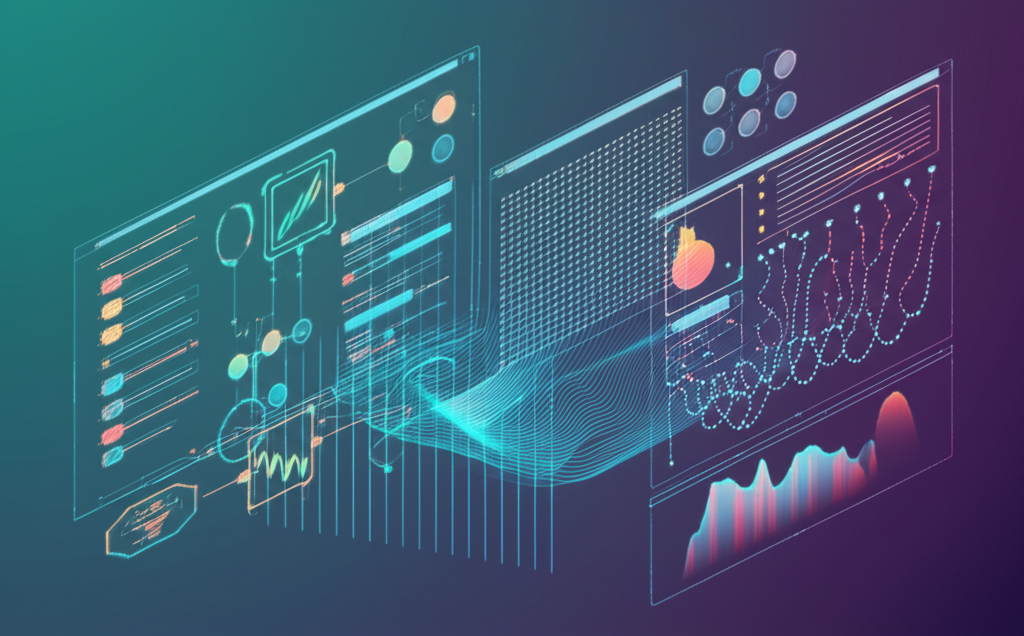
- Navigate spreadsheets: Read data, update cells, create formulas, generate charts
- Fill out web forms: Input data, submit forms, handle multi-step processes
- Control applications: Click buttons, select options, navigate menus
- Execute workflows: Chain multiple tasks together (e.g., pull data from email → enter into CRM → generate report)
This is not Claude writing code that automates tasks. This is Claude directly controlling your computer like a human assistant would.
The technical implementation uses Anthropic's "computer use API," which gives Claude access to screen captures, mouse controls, and keyboard inputs. It's essentially remote desktop access for an AI.
Why This Matters for Business Automation
Most business workflows live in a patchwork of tools: email, CRM, spreadsheets, internal dashboards, third-party apps. Integrating all of these with traditional automation (like Zapier or custom APIs) is expensive and brittle.
AI agents that can "see" and "use" these tools like a human can bypass that complexity. Instead of building custom integrations, you can:
- Hire an AI agent to handle repetitive data entry
- Deploy an AI assistant to monitor dashboards and escalate issues
- Automate report generation by having Claude pull data from multiple sources
The economics shift from "$50K to build a custom integration" to "$500/month to run an AI agent."
Real-World Use Cases
Here's where Sonnet 4.6's computer use capabilities unlock immediate value:
1. Data Entry & Migration
Moving data between systems is a classic pain point. Instead of hiring a VA or building an API integration, an AI agent can log in, copy data, and paste it into the target system — just like a human would.
2. Report Generation
Pull data from your CRM, financial dashboard, and Google Analytics, then compile it into a weekly report. Claude can do this end-to-end, including formatting and distribution.
3. Customer Support Triage
Monitor support tickets, categorize them, pull relevant customer data from your CRM, and draft responses. The AI can handle 70-80% of tier-1 support without human intervention.
4. QA & Testing
For software teams, Claude can navigate your application, test workflows, and report bugs — acting as an automated QA assistant that works 24/7.
The Catch: Security & Access Control
Giving an AI agent access to your computer and applications is powerful — and risky. Here's what you need to lock down:
- Credential management: Use read-only accounts or limited-permission users for AI agents
- Audit trails: Log every action the AI takes for compliance and debugging
- Sandboxing: Run AI agents in isolated environments to prevent accidental damage
- Human oversight: Start with "AI suggests, human approves" workflows before going fully autonomous
Anthropic knows this. Their computer use API includes safety guardrails, but you're still responsible for how you deploy it.
How Sonnet 4.6 Stacks Up
Anthropic claims Sonnet 4.6 "approaches Opus-level intelligence" while being faster and cheaper than the full Opus model. That's huge — Opus was their flagship model, and if Sonnet 4.6 is 80-90% as capable at a fraction of the cost, it's the new default choice for businesses.
Compared to competitors:
- vs. GPT-4: OpenAI doesn't offer a comparable computer use API (yet). They're focused on code generation and agents via function calling.
- vs. Gemini: Google has "computer use" capabilities in Gemini Pro, but they're less mature. Anthropic is ahead here.
- vs. Open-source models: No open-source model (Llama, Mistral, etc.) comes close to Sonnet 4.6's computer use reliability.
For businesses building AI agents right now, Sonnet 4.6 is the best tool available.
What AI Agents Plus Is Doing With It
We've been testing Sonnet 4.6 since launch, and we're already deploying it for clients in:
- Operations automation — AI agents that monitor dashboards and escalate issues
- Customer support — Tier-1 ticket triage and response drafting
- Data workflows — Automated report generation from multiple data sources
The reliability jump from Sonnet 4.5 to 4.6 is significant. Tasks that required human-in-the-loop supervision are now running autonomously.
The Bottom Line
Anthropic's Sonnet 4.6 is a milestone for AI agents. The improvements in computer use capabilities mean businesses can now deploy autonomous AI assistants for real workflows — not just demos.
If you've been waiting for AI automation to "actually work," this is the moment. The tools are ready. The question is: are you?
Want to deploy AI agents that handle real work in your business? AI Agents Plus designs custom automation workflows using the latest models like Claude Sonnet 4.6. No fluff, just results. Let's talk.
About AI Agents Plus Editorial
AI automation expert and thought leader in business transformation through artificial intelligence.