Big Tech Signs Trump's AI Energy Pledge - Who Pays for the AI Boom Now?
Amazon, Google, Meta, Microsoft, OpenAI, Oracle, and xAI will sign Trump's 'Ratepayer Protection Pledge' tomorrow, committing to cover their own AI data center electricity costs. This policy shift could reshape the economics of AI infrastructure - and who bears the cost of the AI revolution.
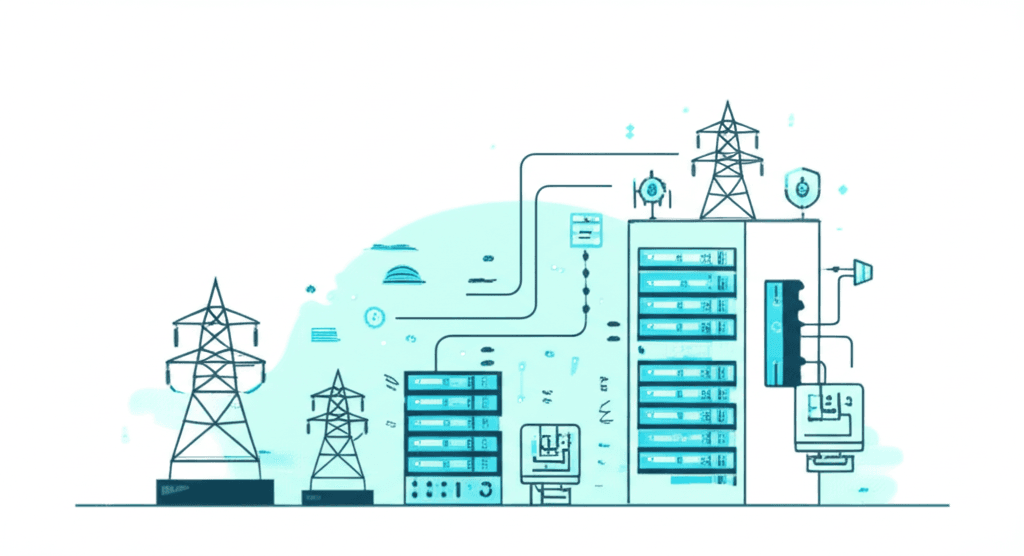
Seven of the world's largest AI companies will sign President Trump's "Ratepayer Protection Pledge" on March 4, 2026, committing to cover the full electricity costs of their AI data centers. Amazon, Google, Meta, Microsoft, OpenAI, Oracle, and xAI are pledging to build, bring, or buy their own power supply for new AI facilities - ensuring American households won't subsidize the AI boom.
This is one of the most significant policy developments in AI infrastructure since the launch of ChatGPT. It forces Big Tech to internalize the massive energy costs of training and running large language models, potentially slowing expansion while accelerating investment in renewable energy and novel power generation.
What the Pledge Requires
Under the Ratepayer Protection Pledge, AI companies must:
- Cover 100% of electricity costs for new AI data centers
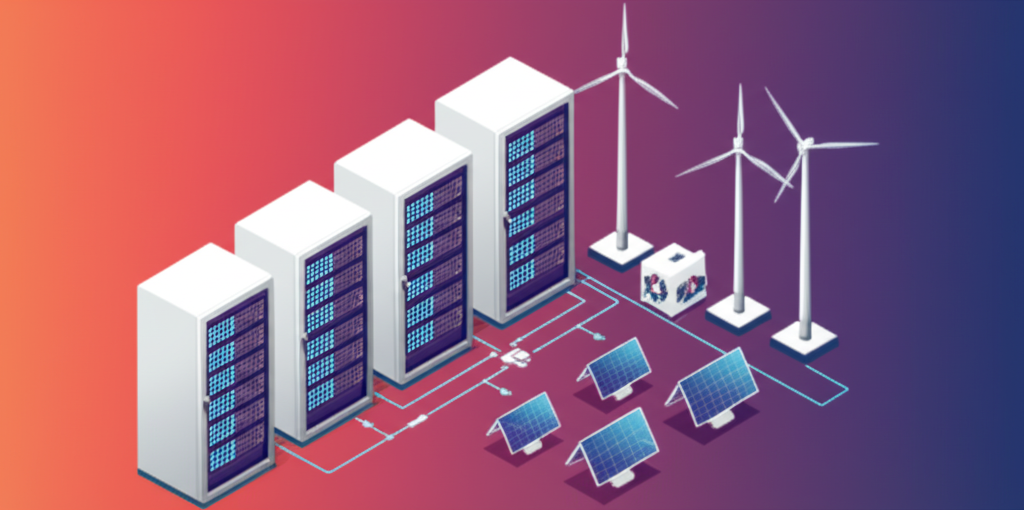
- Build, bring, or buy their own power supply - including on-site generation, dedicated power purchase agreements, or acquiring existing power plants
- Prevent cost pass-through to households - utilities cannot raise residential rates to subsidize AI infrastructure
The pledge applies to new data centers built after the signing date. Existing facilities will be grandfathered, but any expansions triggering new grid connections fall under the new rules.
Why This Matters
AI training and inference are staggeringly energy-intensive. A single GPT-4 training run reportedly consumed over 50 gigawatt-hours of electricity - enough to power 4,600 US homes for a year. As companies race to train larger models and deploy AI agents at scale, energy demand is exploding.
Until now, utilities have absorbed much of this cost through standard commercial rates and grid upgrades - costs that eventually trickle down to residential ratepayers. The pledge shifts the burden back to the companies profiting from AI.
This has three immediate effects:
-
AI infrastructure becomes more expensive - Companies can no longer externalize energy costs to the grid. This favors companies with deep capital reserves (Microsoft, Google, Amazon) over leaner competitors.
-
Renewable energy investments accelerate - Building dedicated solar, wind, or nuclear capacity becomes economically attractive. Expect a wave of AI-linked renewable energy projects.
-
Data center location strategies shift - Proximity to cheap, abundant power becomes the top priority. Expect AI campuses near hydroelectric dams, geothermal zones, and nuclear plants.
The Winners and Losers
Winners:
- Hyperscalers with energy assets - Amazon (solar farms), Google (renewable PPAs), Microsoft (nuclear investments) already have energy infrastructure in place.
- Renewable energy developers - Tech giants will sign massive long-term contracts for dedicated clean power.
- Nuclear startups - Companies like TerraPower and NuScale could supply compact reactors for AI campuses.
- Residential ratepayers - No more subsidizing Big Tech's AI ambitions through utility bills.
Losers:
- AI startups without capital - Smaller players like Anthropic, Cohere, and Mistral face higher infrastructure costs and less access to dedicated power.
- Utilities expecting AI-driven revenue - Grid operators lose a major growth driver as tech companies go off-grid.
- Coal and gas power plants - Tech companies will prioritize renewables for PR and ESG reasons, accelerating the decline of fossil fuel generation.
What This Means For Your Business
If you're evaluating AI infrastructure or building AI-powered products, this policy shift has practical implications:
-
If you're running on-premise AI: Expect cloud providers to pass energy costs through to you via higher compute pricing. Model inference will get more expensive in 2026-2027.
-
If you're buying AI services: SaaS providers relying on third-party LLM APIs (OpenAI, Anthropic) may raise prices as their upstream costs increase. Budget for 10-15% API cost increases over the next 18 months.
-
If you're building AI agents: Autonomous AI agents that run continuously will see operating costs rise. Optimize for inference efficiency now - smaller, faster models will have a cost advantage.
-
If you're evaluating AI strategy: The companies that survive the next energy crunch will be those with deep pockets or those using efficient, smaller models. Don't assume infinite cheap compute.
The Geopolitical Angle
This pledge also has strategic implications. By forcing US tech giants to invest in domestic energy infrastructure, the policy strengthens America's AI sovereignty. China's AI leaders - Alibaba, ByteDance, Baidu - are backed by state-controlled energy grids and don't face the same cost pressures.
Europe, meanwhile, is watching closely. The EU has stricter energy regulations and higher electricity costs than the US, making European AI infrastructure even more expensive. Expect Brussels to introduce similar "polluter pays" rules for AI data centers.
Looking Ahead
The pledge signing on March 4 is just the beginning. We'll be watching for:
- How companies define "build, bring, or buy" - Will on-site solar panels count? What about virtual PPAs?
- Enforcement mechanisms - Who audits compliance? What are the penalties for violating the pledge?
- Impact on model training timelines - Will the next generation of frontier models be delayed as companies secure dedicated power?
- New power generation partnerships - Expect announcements pairing tech giants with nuclear, geothermal, and fusion startups.
One thing is clear: the era of cheap, subsidized AI infrastructure is over. The companies that win the next phase of the AI race will be those that solve energy as well as algorithms.
Build AI That Works For Your Business
At AI Agents Plus, we help companies move from AI experiments to production systems that deliver real ROI. Whether you need:
- Custom AI Agents - Autonomous systems that handle complex workflows, from customer service to operations
- Rapid AI Prototyping - Go from idea to working demo in days using vibe coding and modern AI frameworks
- Voice AI Solutions - Natural conversational interfaces for your products and services
We've built AI systems for startups and enterprises across Africa and beyond.
Ready to explore what AI can do for your business? Let's talk →
About AI Agents Plus Editorial
AI automation expert and thought leader in business transformation through artificial intelligence.