Meta Bets $65 Million on AI's Political Future: When Tech Giants Write the Rules
Meta is spending $65 million on super PACs to influence AI legislation. This isn't lobbying—it's a systematic attempt to shape AI policy before regulators can act. Here's what it means for every business building with AI.
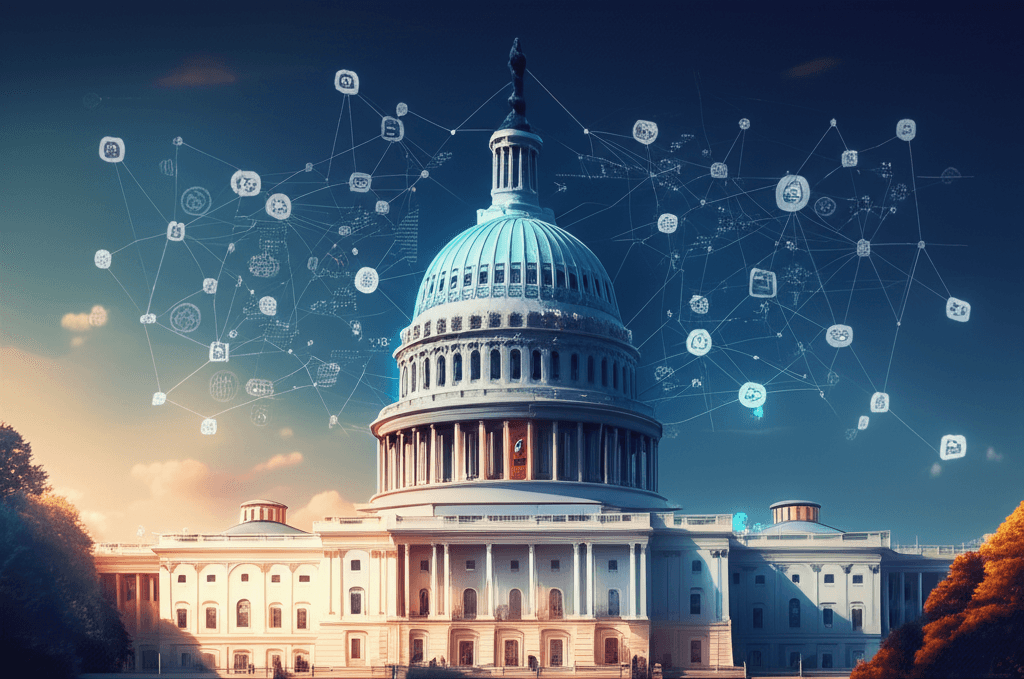
Meta just put $65 million on the table to influence the 2026 midterm elections. Not for healthcare. Not for privacy. For AI legislation.
According to a New York Times report, the social media giant is funding two brand-new super PACs—"Forge the Future Project" targeting Republicans and "Making Our Tomorrow" courting Democrats—with a singular mission: back politicians who are friendly to AI, and kneecap any legislation that might slow Meta's AI ambitions.
This isn't traditional lobbying. This is systematic policy capture at scale.
The Play: Buy the Lawmakers Before They Write the Laws
Meta's strategy is elegant in its simplicity: find candidates who either support AI expansion or haven't formed strong opinions yet, flood their campaigns with cash, and ensure that when AI regulation comes up for a vote, the room is already full of your allies.
The two PACs operate on parallel tracks:
- Forge the Future Project courts Republicans with arguments about American competitiveness and beating China in the AI race
- Making Our Tomorrow pitches Democrats on AI's potential to solve climate change, improve healthcare, and create jobs
Same company, same goal, two different narratives tailored to each party's priorities. It's lobbying as a multi-variant A/B test.

Why Now? The Regulatory Window Is Closing
Meta isn't spending $65 million out of generosity. They're spending it because the regulatory environment for AI is still being written, and whoever shapes the first round of legislation wins the next decade.
Consider what's at stake:
- Copyright and training data rules that could make or break foundation model development
- Liability frameworks determining who's responsible when AI systems cause harm
- Competition policy that could force open-sourcing or prevent AI monopolies
- Export controls on AI technology and compute resources
Every one of these issues represents billions in potential costs or revenue for Meta. If you can spend $65 million now to influence the rules, it's the cheapest infrastructure investment you'll ever make.
The window for regulatory capture is narrow. Once frameworks get codified—once the EU AI Act equivalents start landing in the US—it becomes exponentially harder to change them. Meta knows this. That's why the money is flowing now, not later.
What This Means For Your Business
If you're building AI products or integrating AI into your operations, Meta's lobbying blitz has direct implications:
1. Expect Lighter-Touch Regulation (For Now)
Meta's investment signals that Big Tech is coordinating to prevent aggressive AI regulation. That likely means:
- Self-regulatory frameworks that let companies move fast
- Voluntary safety commitments instead of hard requirements
- Focus on "innovation-friendly" rules over precautionary principles
If you're a startup or SMB, this could be good news in the short term—fewer compliance hurdles, more room to experiment. But it also means you're competing in a market where the biggest players are actively writing the rules to benefit themselves.
2. Proprietary Models Will Stay Proprietary
One of the key fights in AI policy is whether frontier models should be required to open-source safety research, training methodologies, or model weights. Meta's lobbying spend suggests they're fighting hard to keep those decisions voluntary.
For businesses, this means:
- Continued dependence on proprietary APIs from OpenAI, Google, Anthropic, etc.
- Limited transparency into how models actually work
- Higher switching costs as you build on closed ecosystems
3. The China Card Will Be Played Relentlessly
Notice how both of Meta's PACs have "future" in their messaging? That's not an accident. The framing will be: "Regulate AI too heavily and China wins."
Expect this narrative to dominate:
- "American AI leadership" as justification for minimal oversight
- National security arguments against sharing model weights
- Export controls that benefit US companies but limit global collaboration
If you're outside the US, this will make AI procurement more complicated. If you're inside, you'll be pressured to buy American.
The Real Risk: When One Company's Policy Becomes Everyone's Problem
Here's what bothers me most about Meta's $65 million play: it's not pluralistic. Meta isn't funding a marketplace of AI policy ideas. They're funding politicians who will vote the way Meta wants on AI issues.
The problem is that Meta's interests and your business's interests might not align.
Meta wants:
- Minimal liability for AI-generated content
- Unrestricted access to training data (including user data)
- No requirements to explain AI decision-making
- Freedom to deploy AI at massive scale without pre-approval
Your business might need:
- Clear liability rules so you know your risk exposure
- Data provenance standards so customers trust your AI
- Explainability requirements that actually make AI useful for regulated industries
- Safety rails that prevent catastrophic failures
When Meta's PACs fund candidates, they're not thinking about your needs. They're thinking about Meta's quarterly targets.
What To Do About It
You probably don't have $65 million to throw at super PACs. But you're not powerless:
1. Participate in Public Comment Periods
When agencies like the FTC, NIST, or NTIA solicit public feedback on AI policy, submit comments. Most of these windows get dominated by Big Tech's legal teams. Your real-world deployment experience is valuable signal.
2. Support Industry Groups That Actually Represent You
Find trade associations that represent SMBs and startups, not just FAANG interests. Groups like the AI Alliance or sector-specific coalitions can amplify smaller voices.
3. Build on Open Standards When Possible
The more your AI stack depends on proprietary systems, the more you're locked into whatever regulatory environment those companies create. Prioritize open models, interoperable APIs, and transparent tooling where feasible.
4. Document Your Use Cases
When policymakers draft AI rules, they often have vague fears but limited understanding of real implementations. If you can articulate exactly how AI creates value in your business—and what guardrails actually help vs hurt—that's useful input.
The Bigger Picture: Democracy or Technocracy?
Meta's $65 million spend is part of a larger pattern. Google, Microsoft, Amazon, and OpenAI are all ramping up policy influence as AI moves from research curiosity to economic infrastructure.
The question is whether AI governance will be democratic—shaped by broad public input, diverse stakeholders, and elected representatives—or technocratic, where a handful of companies with the deepest pockets set the terms.
Right now, the technocrats are winning. They have the money, the access, and the narrative control.
But that doesn't make it inevitable. Policy is shaped by whoever shows up. And right now, most of the room is empty except for Big Tech's lobbyists.
If you're building AI products, employing AI workers, or selling to AI-enabled customers, you have a stake in how these rules get written. The question is whether you'll participate in shaping them—or just live with whatever Meta's super PACs deliver.
AI Agents Plus builds custom AI agents and automation systems for businesses that want to move fast without breaking things. If you're navigating AI procurement, compliance, or strategy in this shifting regulatory landscape, we can help.
About AI Agents Plus Editorial
AI automation expert and thought leader in business transformation through artificial intelligence.