Spotify's Top Developers Haven't Written Code Since December — Welcome to Vibe Coding
Spotify's CEO just revealed their best engineers aren't writing code anymore — they're supervising AI that does it for them. The vibe coding era has officially arrived at scale.
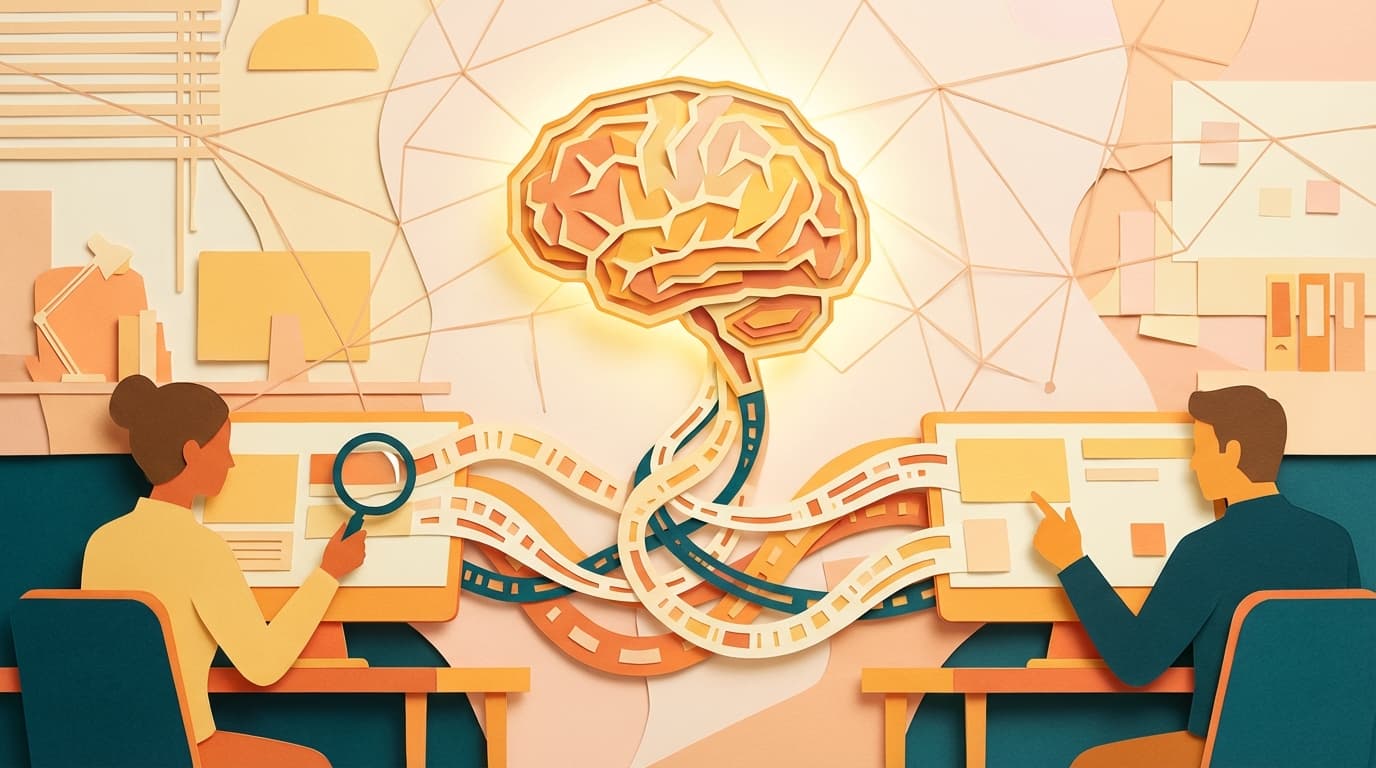
In a casual earnings call comment that sent shockwaves through the developer community, Spotify CTO Gustav Söderström revealed something remarkable: the company's most senior engineers haven't written a single line of code since December 2025. They're not slacking off — they're doing something potentially more powerful.
"When I speak to my most senior engineers — the best developers we have — they actually say that they haven't written a single line of code since December," Söderström told investors. "They actually only generate code and supervise it."
Welcome to the age of vibe coding at enterprise scale.
What Actually Changed
This isn't about junior developers learning to use GitHub Copilot. This is about Spotify's elite engineers — the people who built a streaming platform serving 600+ million users — fundamentally changing how they work.
Instead of typing code, they're:
- Describing systems and features to AI in natural language
- Reviewing and validating AI-generated implementations
- Focusing on architecture, design patterns, and business logic
- Supervising multiple AI-generated solutions simultaneously
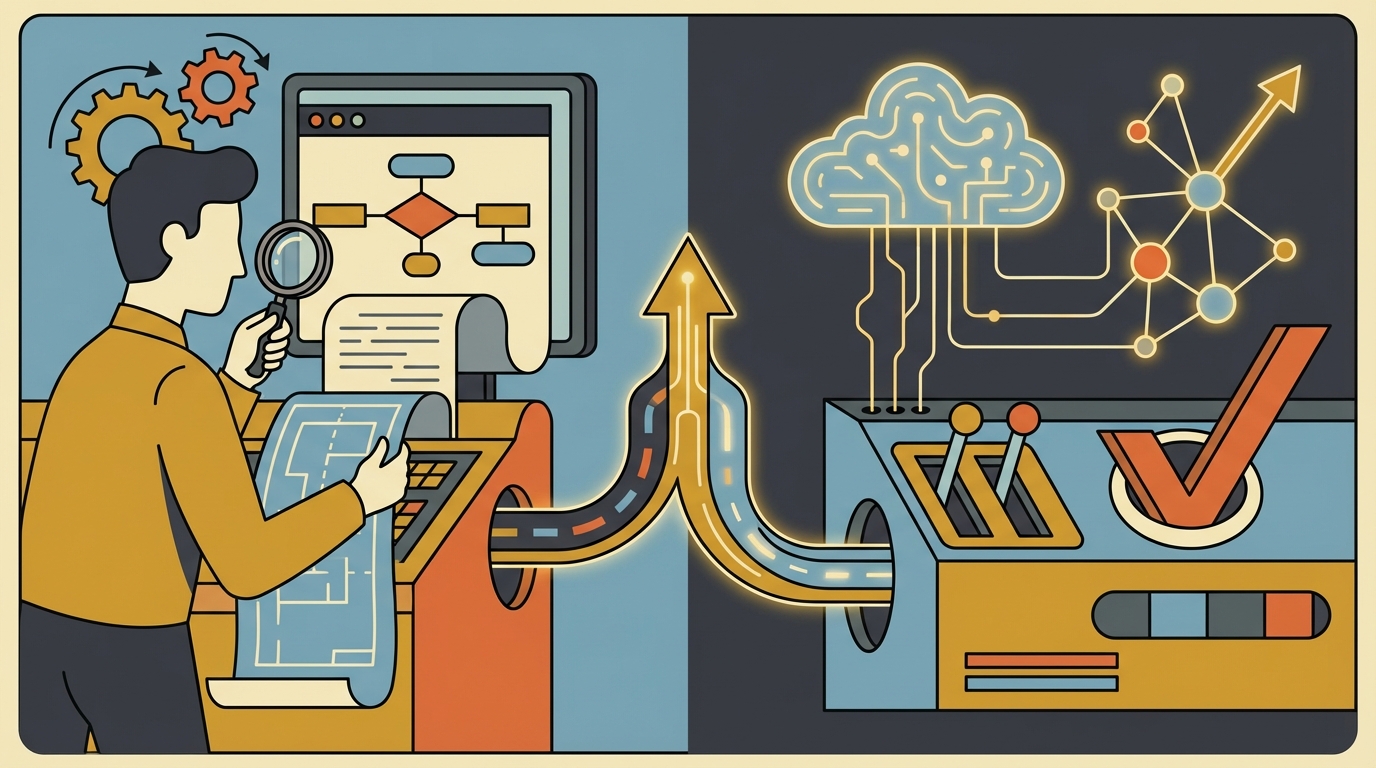
The shift happened fast. By December, these engineers had fully transitioned from hands-on coding to AI supervision. By February's earnings call, Spotify's leadership was comfortable enough to brag about it publicly.
Why This Matters More Than You Think
Spotify isn't some AI research lab experimenting with the future — they're a production engineering organization running a global consumer service. When they shift their best developers away from writing code, that's not an experiment. That's a strategic bet.
The implications cascade:
For software development: The highest-value work is no longer implementation — it's judgment. Understanding what to build, how it should behave, and whether an AI-generated solution actually solves the problem.
For hiring: Junior developers entering the field today need different skills than their predecessors. Code fluency still matters, but the ability to effectively guide, critique, and supervise AI-generated code may matter more.
For productivity: If Spotify's best engineers can supervise AI across multiple projects simultaneously instead of implementing one feature at a time, the productivity multiplier is potentially enormous.
The Technical Reality Check
Before you panic or celebrate, let's be clear about what vibe coding can and can't do:
What works well:
- CRUD operations and standard patterns
- API integrations and data transformations
- Refactoring existing codebases
- Generating boilerplate and repetitive code
- Implementing well-defined specifications
What still needs humans:
- Novel algorithm design
- Complex system architecture decisions
- Performance optimization at scale
- Security vulnerability assessment
- Understanding subtle business requirements
Spotify's senior engineers aren't supervising AI because they've been replaced — they're supervising AI because they're the only ones qualified to catch the errors, make the judgment calls, and ensure the generated code actually solves the real problem.
What This Means For Your Business
If you're building software — whether internal tools or customer-facing products — Spotify just validated a major shift in how engineering teams should work.
If you're hiring developers: Look for people who can effectively collaborate with AI code generation tools. Ask candidates how they use AI in their workflow, not just what languages they know.
If you're managing engineering teams: Invest in AI code generation tools and train your team to use them effectively. The productivity gap between teams that embrace vibe coding and those that don't will only widen.
If you're a developer: Learn to supervise and critique AI-generated code. Your value isn't in typing — it's in judgment, architecture, and understanding what needs to be built.
The Vibe Coding Skeptics
Not everyone is convinced. Critics point out:
- Technical debt from AI-generated code that "works but is messy"
- Over-reliance on tools that can introduce subtle bugs
- Loss of deep coding skills over time
- Reduced understanding of how systems actually work
These are real concerns. But they're also eerily similar to what people said about high-level languages replacing assembly, IDEs replacing text editors, and frameworks replacing raw implementation.
The pattern repeats: skepticism gives way to adoption when the productivity gains become undeniable.
Looking Ahead
Spotify's earnings call comment wasn't just about their internal practices — it was a signal to the market. When major tech companies openly embrace AI code generation at the level of their most senior engineers, it accelerates adoption everywhere else.
Expect to see:
- More companies publicly discussing their AI development workflows
- Job descriptions shifting from "X years of Python experience" to "proven ability to ship products using AI-assisted development"
- Developer tools that assume AI generation as the default, with manual coding as the fallback
- Universities updating CS curricula to teach AI collaboration alongside traditional programming
The question isn't whether vibe coding will become mainstream — Spotify just told us it already is. The question is how fast your team adapts.
Build AI-Powered Development Workflows
At AI Agents Plus, we help companies integrate AI into their development workflows — from code generation to automated testing to AI-powered DevOps agents.
Whether you're exploring AI-assisted development, building custom AI agents for your engineering team, or designing AI-first products, we've worked with companies across Africa and beyond to turn AI experiments into production systems.
Ready to modernize your development workflow? Let's talk →
About AI Agents Plus Editorial
AI automation expert and thought leader in business transformation through artificial intelligence.