Microsoft Kills the Blank Page: Copilot Cowork Brings Claude to 365
Microsoft just made the biggest strategic shift in enterprise AI since ChatGPT launched. Copilot Cowork integrates Anthropic's Claude directly into Microsoft 365, signaling the end of single-model platforms and the death of the blank page as we know it.
Yesterday, Microsoft announced Copilot Cowork—and with it, the enterprise AI market fundamentally changed. The move integrates Anthropic's Claude directly into Microsoft 365, marking Microsoft's first major departure from its exclusive OpenAI partnership.
Google responded within hours by doubling down on Gemini integration across Workspace. The message is clear: the era of single-model enterprise AI platforms is over. And the blank page? It's dying.
What Actually Happened
Microsoft unveiled Copilot Cowork on March 16, 2026, a new capability that embeds Claude—Anthropic's flagship AI model—directly into Microsoft 365 applications. This isn't a sidebar integration or an optional add-on. It's a fundamental rethinking of how AI assistants work in enterprise software.
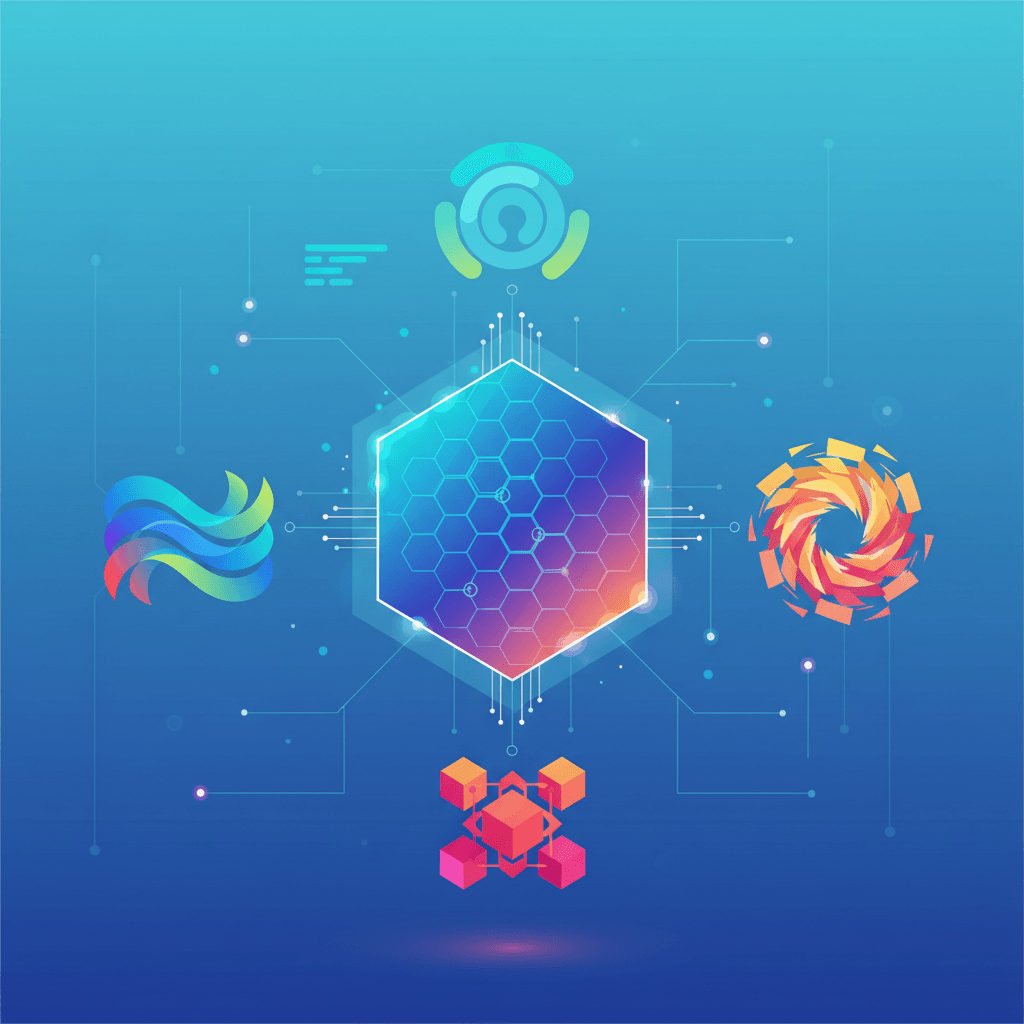
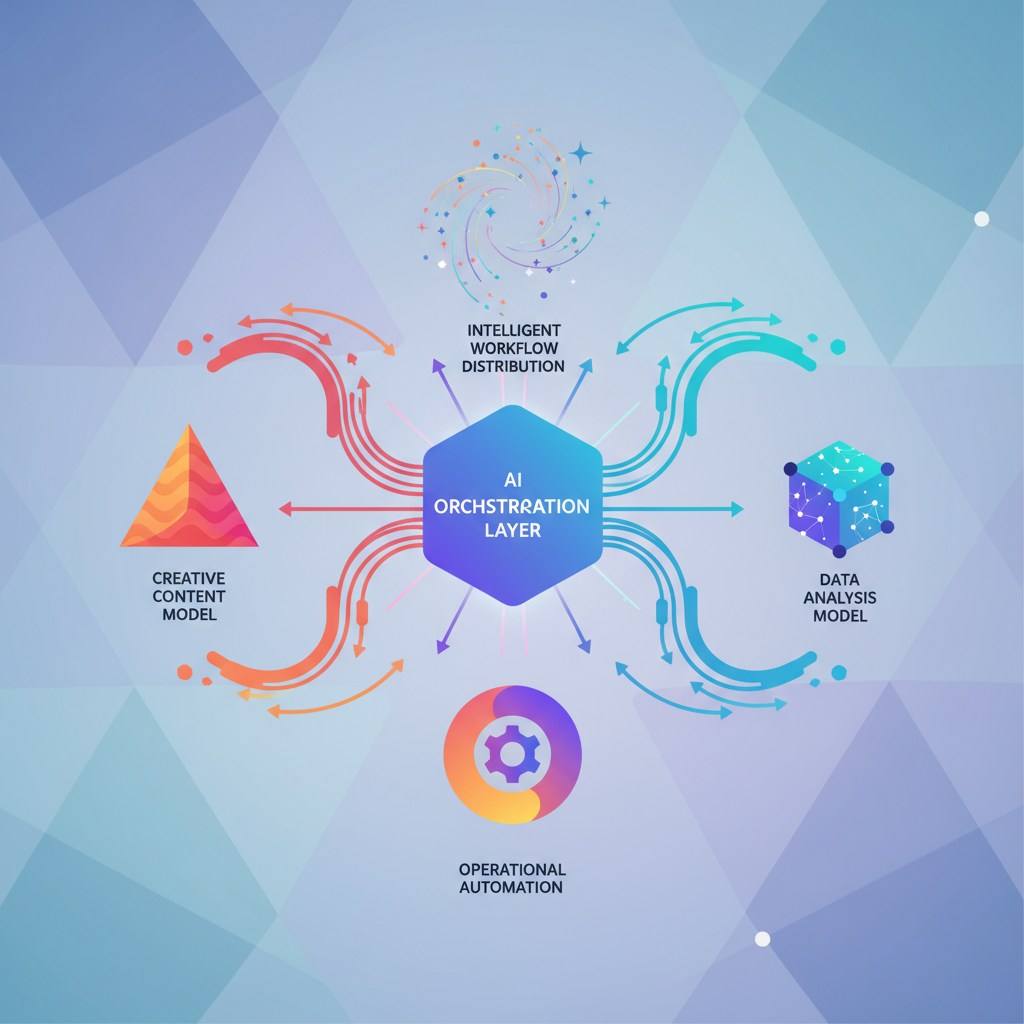
The technical implementation uses what Microsoft calls "Cowork technology," allowing multiple AI models to operate seamlessly within the same interface. Users don't choose between GPT and Claude—the system routes tasks to whichever model is best suited for the job.
Google's response came fast. Within hours, the company announced deeper Gemini integration across Google Workspace, affecting billions of users. Both tech giants are essentially saying: your productivity suite is no longer just tools. It's an AI-first operating environment.
Why Microsoft Went Multi-Model
This move tells us three important things about where enterprise AI is heading:
1. No single model wins at everything
OpenAI's GPT models excel at creative tasks and general reasoning. Anthropic's Claude has earned a reputation for more reliable, consistent outputs in structured business contexts—exactly what enterprises need for mission-critical workflows.
By going multi-model, Microsoft is admitting what practitioners already know: you need different tools for different jobs. A CFO reviewing financial documents needs reliability over creativity. A marketing team brainstorming campaigns needs the opposite.
2. Vendor lock-in is becoming a liability
Microsoft's exclusive OpenAI partnership was starting to look risky. When OpenAI has infrastructure issues or rate limits spike, Microsoft 365 users feel it. Multi-model architecture creates redundancy and negotiating leverage.
For enterprises, this reduces concentration risk. If one AI provider has an outage or changes pricing, workflows don't grind to a halt.
3. The interface is the new battleground
Microsoft isn't competing on who has the best model anymore. They're competing on who has the best orchestration layer—the system that routes your request to the right AI, formats the response properly, and keeps your data secure.
This is where the real value lives. The models themselves are becoming commoditized infrastructure. The interface that makes them actually useful? That's the moat.
The Technical Implications
For teams building AI products, Microsoft's architecture reveals something crucial: the orchestration layer matters more than the models.
Copilot Cowork doesn't expose users to "Claude" or "GPT" as distinct products. It presents a unified experience where the underlying model is an implementation detail. This is the right approach for production systems.
If you're building AI features into your product, here's what this means:
- Stop optimizing for one model. Build abstraction layers that let you swap providers without rewriting code.
- Route intelligently. Different tasks need different models. A simple classification task doesn't need your most expensive model.
- Measure everything. The only way to know which model works best for your use case is real production data, not benchmark scores.
For more on building production-ready AI systems with multiple models, see our guide on AI agent orchestration.
What This Means For Your Business
If your team uses Microsoft 365 or Google Workspace—which means basically everyone—this shift affects you directly.
If you're building AI products
You need a multi-model strategy yesterday. Customers won't accept vendor lock-in anymore. Your architecture should support:
- Switching models without code changes
- A/B testing different providers for the same task
- Graceful fallbacks when one provider has issues
The companies winning AI contracts right now are the ones offering flexibility, not loyalty to a single provider.
If you're buying AI solutions
Ask vendors: "Which models do you support?" If the answer is only one, that's a red flag. You want systems that can route to the best model for each task, not the vendor's preferred partner.
Also ask about data residency and model training. With multiple AI providers in the mix, understanding where your data flows matters more than ever.
If you're evaluating AI strategy
The blank page is dying. That's not hyperbole—it's a fundamental shift in how work gets done. Your team won't start documents from scratch anymore. They'll start from AI-generated drafts and refine from there.
This changes how you think about:
- Hiring — You need people who can edit and direct AI, not just create from zero
- Training — Prompt engineering and AI tool fluency become core skills
- Workflow design — Processes built around manual document creation need redesign
The question isn't whether to adopt AI-first workflows. It's how fast you can move before your competitors do.
Looking Ahead
Microsoft's move sets up an interesting dynamic. If Copilot Cowork succeeds, expect:
- More model partnerships — Why stop at two? Microsoft could add specialized models for legal, medical, or financial use cases
- Competitive pressure — Salesforce, SAP, and other enterprise platforms will need multi-model strategies or risk looking outdated
- New players — Orchestration-focused startups could challenge incumbents by offering better model routing without the baggage of legacy productivity suites
The next 12 months will reveal whether multi-model architectures become the standard or just a transitional phase. But one thing is clear: the enterprise AI market just got a lot more interesting.
For insights on where AI agents are heading next, read our analysis of enterprise AI automation trends.
Build AI That Works For Your Business
At AI Agents Plus, we help companies move from AI experiments to production systems that deliver real ROI. Whether you need:
- Custom AI Agents — Autonomous systems that handle complex workflows, from customer service to operations
- Rapid AI Prototyping — Go from idea to working demo in days using modern AI frameworks
- Multi-Model Integration — Build systems that route intelligently across GPT, Claude, Gemini, and specialized models
We've built AI systems for startups and enterprises across Africa and beyond.
Ready to explore what AI can do for your business? Let's talk →
About AI Agents Plus Editorial
AI automation expert and thought leader in business transformation through artificial intelligence.